Magnesium

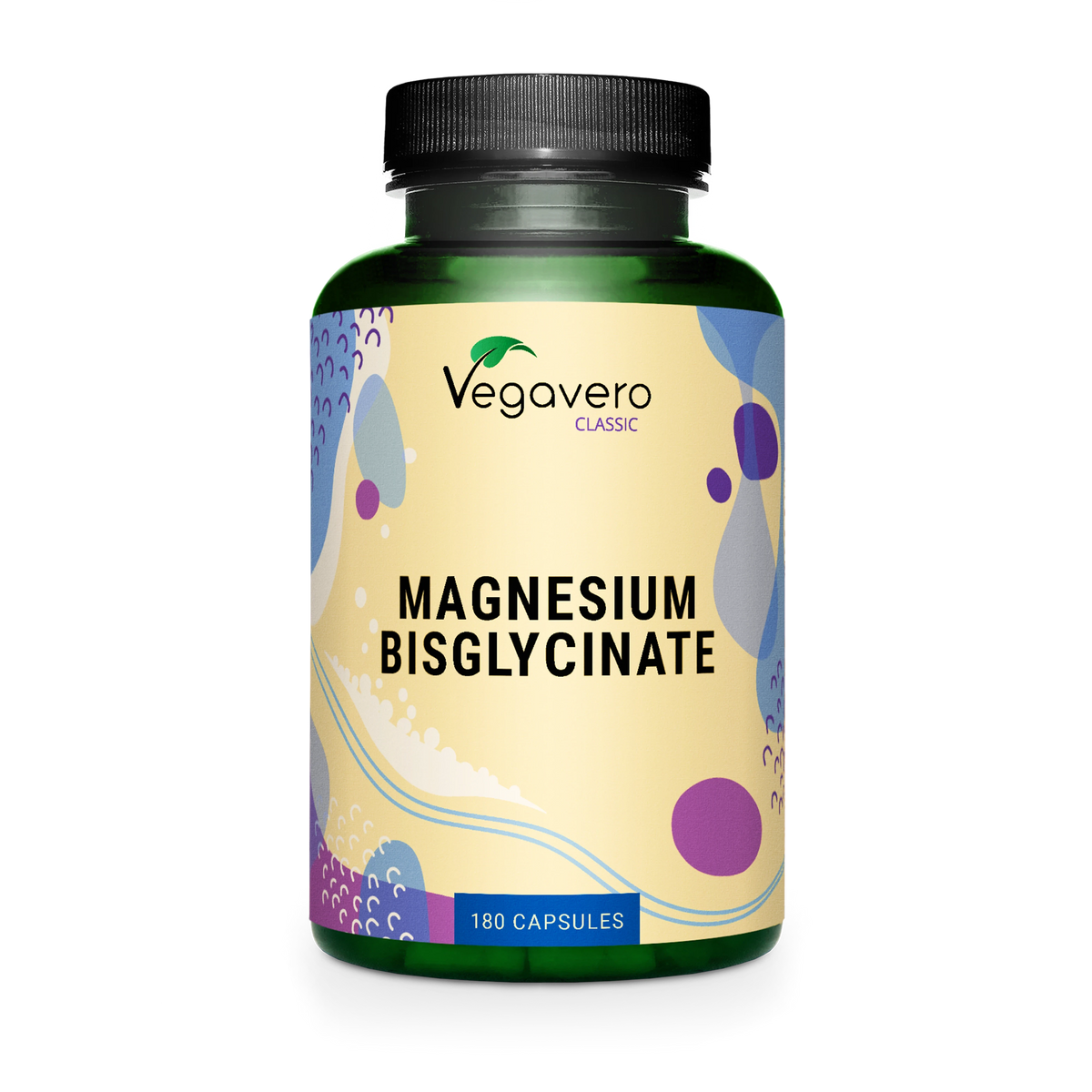
Magnesium is a vital, essential mineral that the body cannot produce itself – it must therefore be supplied through the diet or a magnesium supplement. As a mineral, magnesium is involved in many processes in the body, including muscle function, the nervous system and energy metabolism. But not every magnesium compound is built the same way. At Vegavero, as a brand we attach importance to ensuring that our capsules, tablets and powders deliver exactly what your body can absorb efficiently – without synthetic additives such as magnesium stearate.

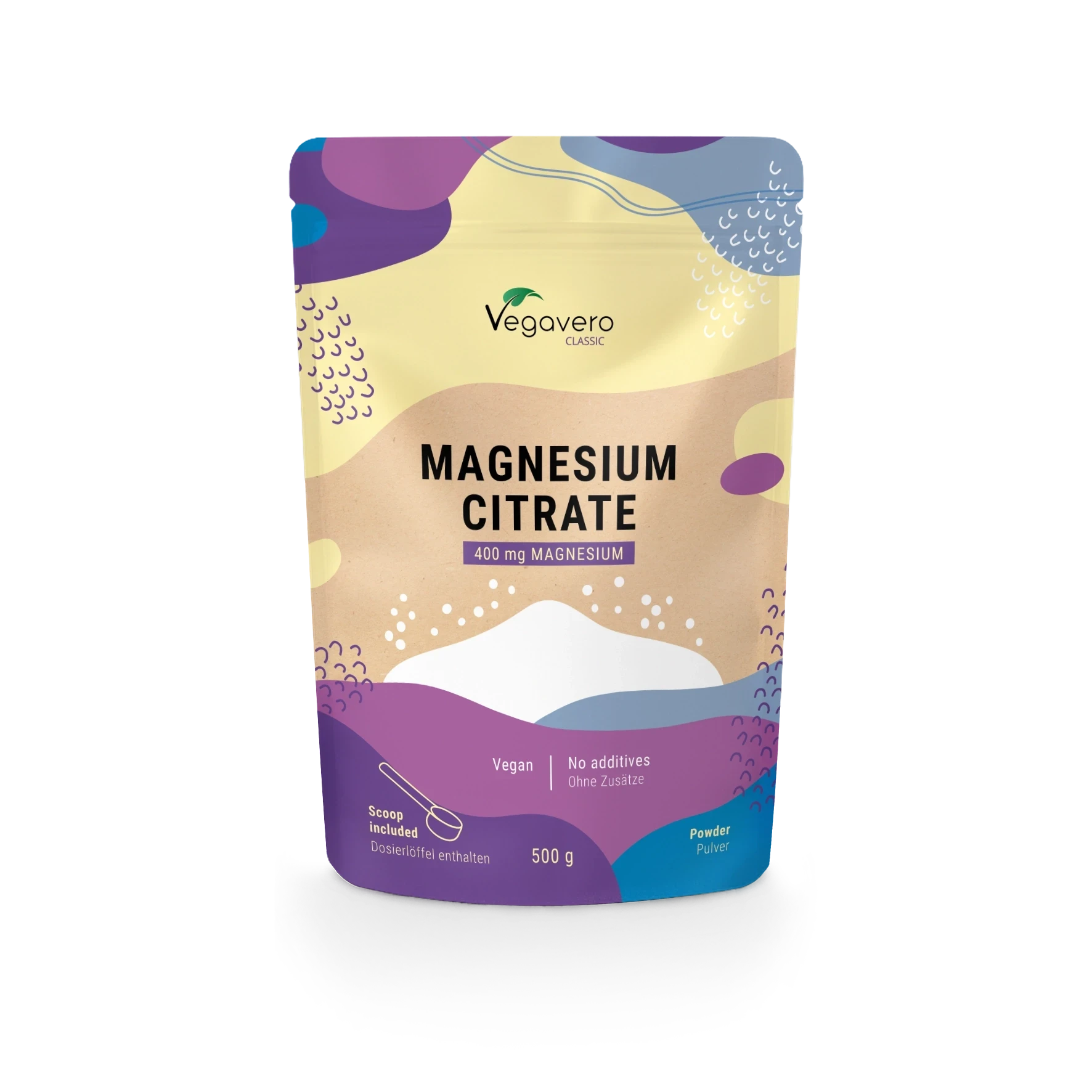
Whether highly bioavailable magnesium bisglycinate for a particularly stomach-friendly use or highly soluble mono-magnesium citrate for easy integration into drinks – we rely on transparency regarding bioavailability and the content of elemental magnesium. Pay close attention to this magnesium content when buying. All products are available immediately, and after your order you benefit from fast delivery.

Magnesium Bisglycinate 20%

100% Vegan
Responsible Ingredients
Made in Germany
Lab tested

Mono Magnesium

Magnesium is involved in hundreds of processes in the body, whereby tolerability and absorption depend greatly on the magnesium form used. The chemical compound determines how efficiently absorption takes place. We therefore rely on highly bioavailable, chelated magnesium bisglycinate as well as highly soluble mono-magnesium citrate. Our organic magnesium compounds are distinguished by their high purity and are free from unnecessary additives or carrier substances. It is best to take the magnesium capsules or the powder with plenty of water.

Magnesium Combinations

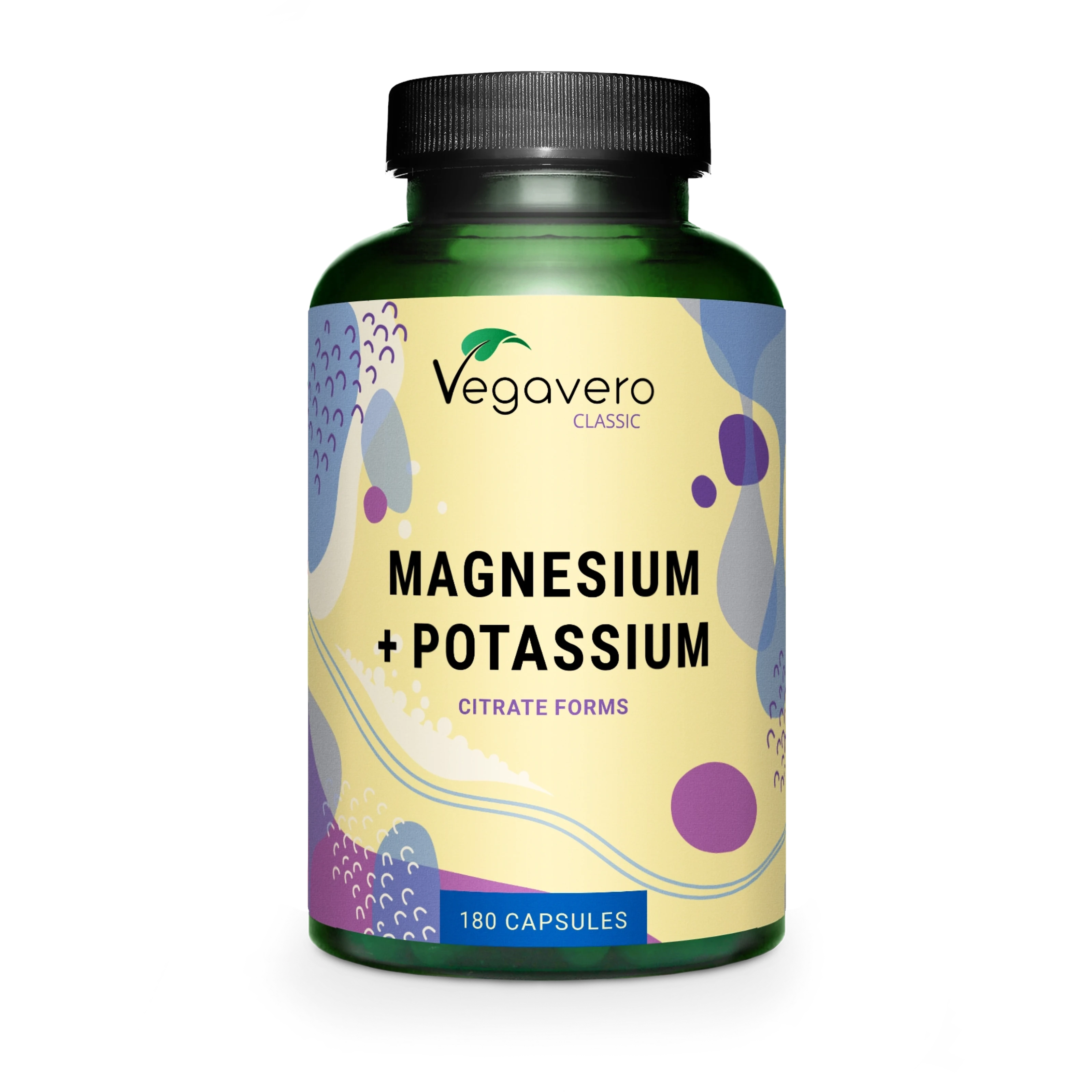
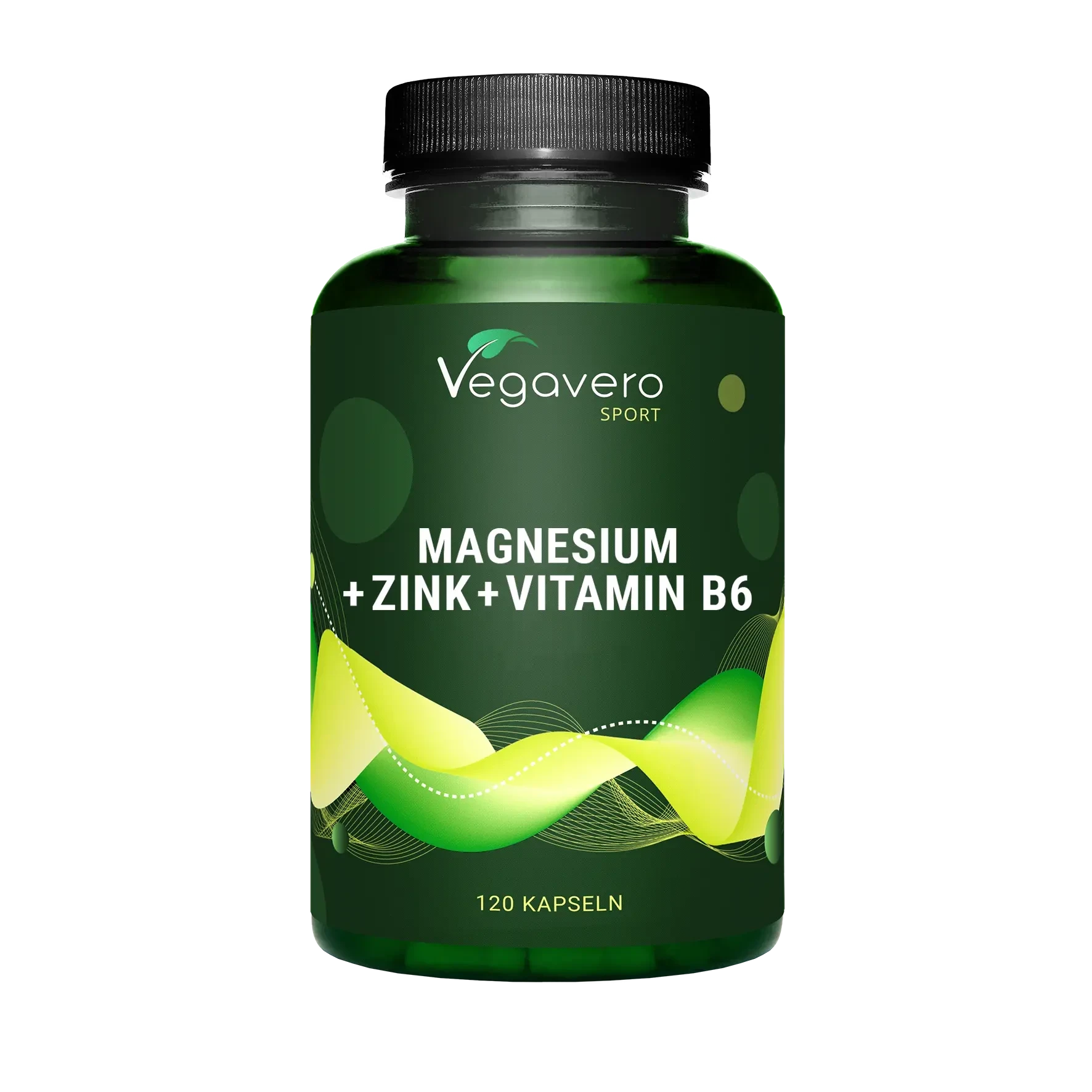
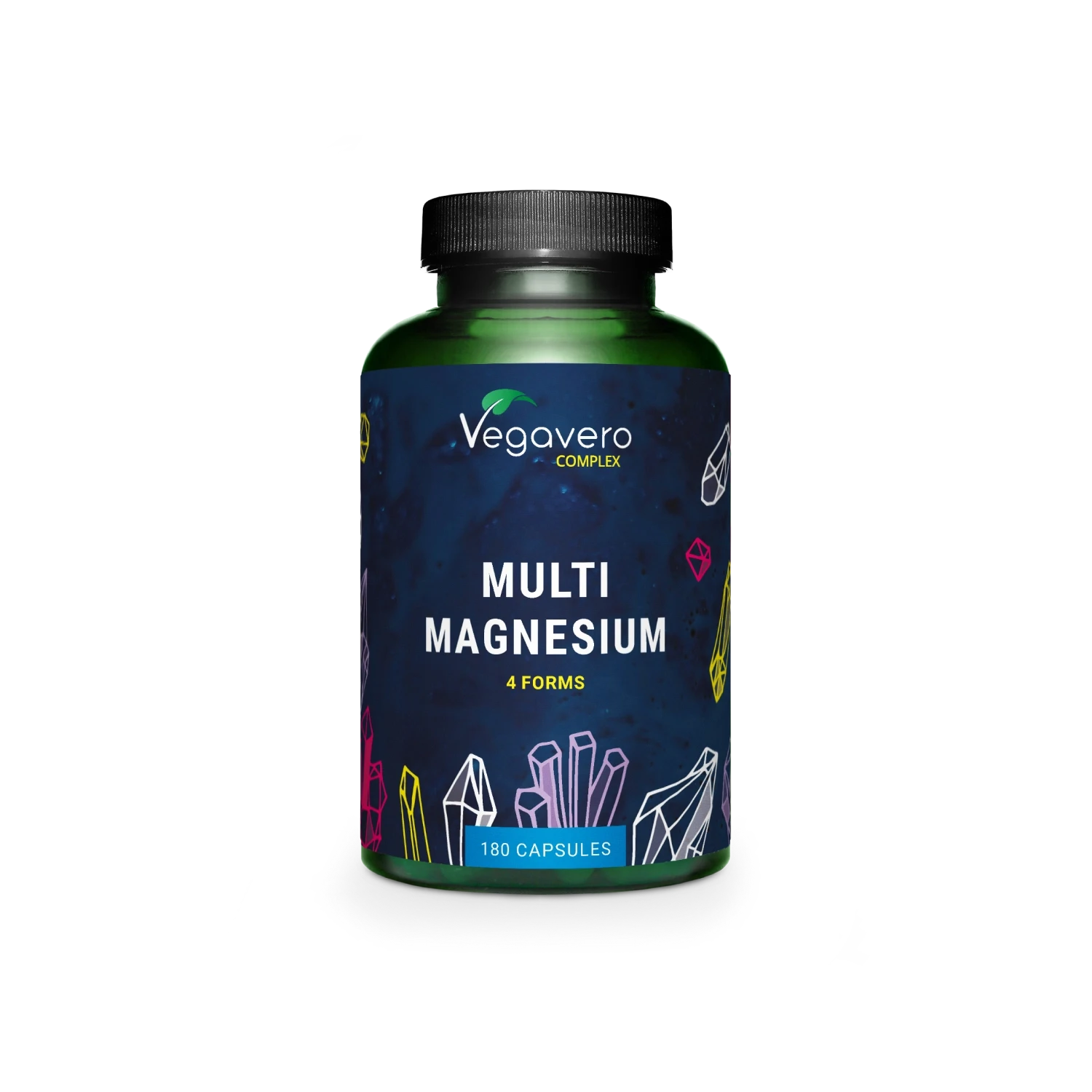
A magnesium complex combines different compounds with synergistic micronutrients such as potassium, zinc, vitamin B6 or other B vitamins. While blends such as magnesium + potassium contribute to normal muscle function and – via the magnesium they contain – to the electrolyte balance, and ZMA contributes via vitamin B6 to the regulation of hormonal activity, our Multi Magnesium Complex unites four forms for a versatile magnesium supply. Offering magnesium in high doses is, for us, a question of science and transparency: we precisely declare the content of elemental magnesium rather than just the compound amount. Our products are vegan, lab-tested to HACCP standard and consistently free from synthetic additives such as magnesium stearate.

Magnesium in a Set

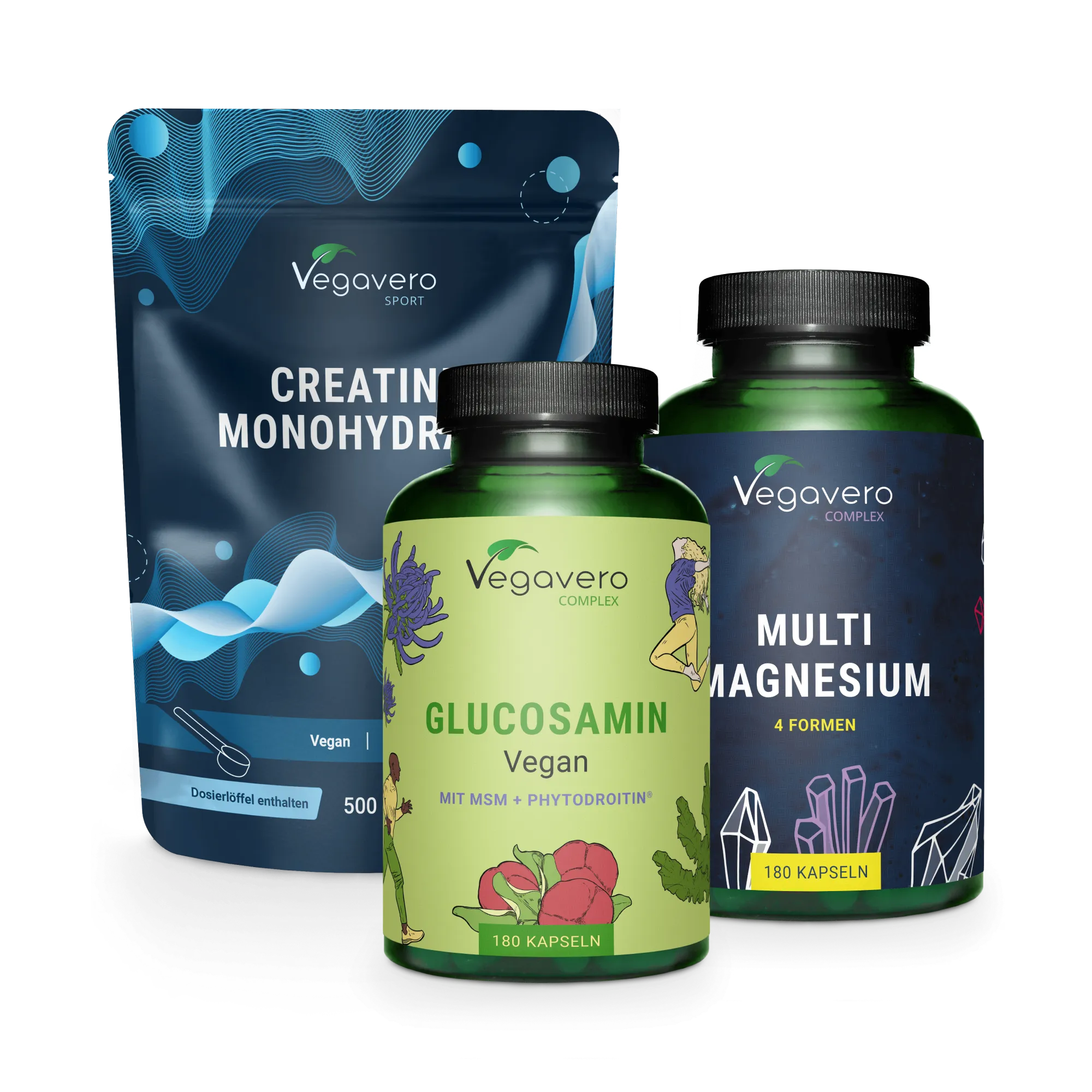
Often the combination of different nutrients is physiologically more sensible than taking them in isolation. Our sets are designed so that the individual components complement one another, whereby bundling the products also offers a price advantage over the RRP. One example is our All Day Athlete Set: here we combine creatine monohydrate, which provides 3 g of pure creatine per serving for intensive training sessions, with our Glucosamine Complex. The latter contains vegan glucosamine from fermentation, MSM, Phytodroitin as well as vitamin C to support normal collagen formation for a normal cartilage function. Combined with the Multi Magnesium Complex, this creates a goal-oriented composition for muscles, joints and mineral balance. All sets are developed by scientists on the basis of evidence-based formulations and are consistently vegan. After your order, fast dispatch follows.

FAQs on Magnesium

What is magnesium good for?

In accordance with the European Health Claims Regulation, magnesium contributes to normal muscle function and to the normal function of the nervous system – it is active, among other places, in the muscle and nerve cells. In addition, the mineral contributes to a normal energy-yielding metabolism, to the reduction of tiredness and fatigue, to the electrolyte balance and to normal psychological function, plays a role in the process of cell division and is important for the maintenance of normal bones and teeth. These statements apply to the mineral magnesium – regardless of the compound; forms such as magnesium bisglycinate or citrate differ above all in bioavailability and tolerability.

What should not be taken together with magnesium?

Pay attention to a time interval from iron, zinc and calcium, as magnesium can affect their absorption. A time interval is also advisable with certain medicines (e.g. some antibiotics). Phosphate-containing drinks or a very high-fibre diet can temporarily reduce absorption. Also take the capsules or the powder with plenty of water.

Why should magnesium be taken in the evening?

Taking it in the evening is popular, as magnesium contributes to normal muscle and nerve function. Because excretion via the kidneys increases in the early morning hours, an evening daily dose can help to keep the level stable through the night.

When should you not take magnesium?

Do not take magnesium directly with phytate-rich meals (e.g. pulses). With the form, it depends on your goal: tri-magnesium dicitrate for fast absorption, magnesium malate preferably in the morning. In the case of severe kidney dysfunction, consult your doctor beforehand.

Can you overdose on magnesium?

Excess magnesium is usually excreted via the kidneys. An amount above the recommended intake can lead to soft stools, diarrhoea or gastrointestinal complaints. Therefore, strictly adhere to the recommended intake on the label.

How long does it take for magnesium to work?

That depends greatly on your supply status. As a rule, magnesium contributes to a normal energy-yielding metabolism and normal muscle function; compensating for a low level often requires a consistent intake over several weeks.

Is magnesium citrate or oxide better?

Inorganic forms such as magnesium oxide or magnesium carbonate are often found in simple preparations; we rely on organic forms such as magnesium citrate and magnesium bisglycinate (also called magnesium glycinate), which are known for their high bioavailability.

How high is the daily magnesium requirement?

The German Nutrition Society (DGE) states a requirement of about 300 to 400 mg per day for adults; for food supplements, the German Federal Institute for Risk Assessment (BfR) recommends no more than an additional 250 mg per day. Foods rich in magnesium are, for example, nuts, pulses, wholegrain products and green vegetables – a balanced diet forms the basis for a good magnesium supply.

In which dosage forms is magnesium available?

Magnesium is available as tablets, capsules, dragées, powder or granules. A magnesium tablet usually contains around 200 to 600 mg – the decisive factor is the content of elemental magnesium, not the compound amount.

How do you recognise a magnesium deficiency?

A magnesium deficiency can have various causes, for instance a one-sided diet or an increased requirement – for example in athletes with intensive training. Magnesium contributes to normal muscle function, which is why many people pay attention to their supply, particularly around the topic of muscles and calf cramps. A concrete suspicion of a deficiency should be clarified by a doctor – the magnesium status can be determined in the laboratory.

Learn more in our Green Journal

Magnesium and Potassium – Why Do We Need Them?

Magnesium and Potassium – Why Do We Need Them?

Vital minerals Potassium and magnesium are vital minerals with important functions for a variety of bodily processes. Among other things, they regulate the excitability of cells and ensure their electrical stability, the so-called membrane resting potential. They also play a...

Read more

Magnesium Stearate: A Bad Reputation Without Cause?

Magnesium Stearate: A Bad Reputation Without Cause?

Magnesium stearate is a type of magnesium salt of stearic acid which, at room temperature, is a white, odourless and water-insoluble powder. Stearic acid is a saturated fatty acid found in many foods, including animal and vegetable fats and oils. Cocoa and flaxseed, for example, are foods that contain significant amounts of stearic acid. It is important to remember that this substance should not be considered as a magnesium supplement, as it contains a very small percentage of the mineral. On the label, its presence may be declared as "magnesium stearate", "magnesium salts of fatty acids" or under the acronym E470b.

Read more