Omega 3

Omega-3 fatty acids are far more than just simple fats – they are central building blocks of our cell membranes and belong to the essential nutrients that the body cannot produce itself. Since they are indispensable for numerous biological processes, they must be supplied regularly through diet or targeted supplementation. In particular, the long-chain fatty acids DHA (docosahexaenoic acid) and EPA (eicosapentaenoic acid) play a decisive role in the organism.

Scientific studies confirm the importance of an adequate supply: EPA and DHA contribute to the maintenance of normal heart function. DHA also makes an important contribution to the maintenance of normal brain function and the maintenance of normal vision. At Vegavero, we consistently rely on high-quality algae oil as a direct, purely plant-based source of these essential fatty acids – transparent, sustainable, and without the detour via other living beings. Discover a selection that combines plant-based innovation with the highest purity.

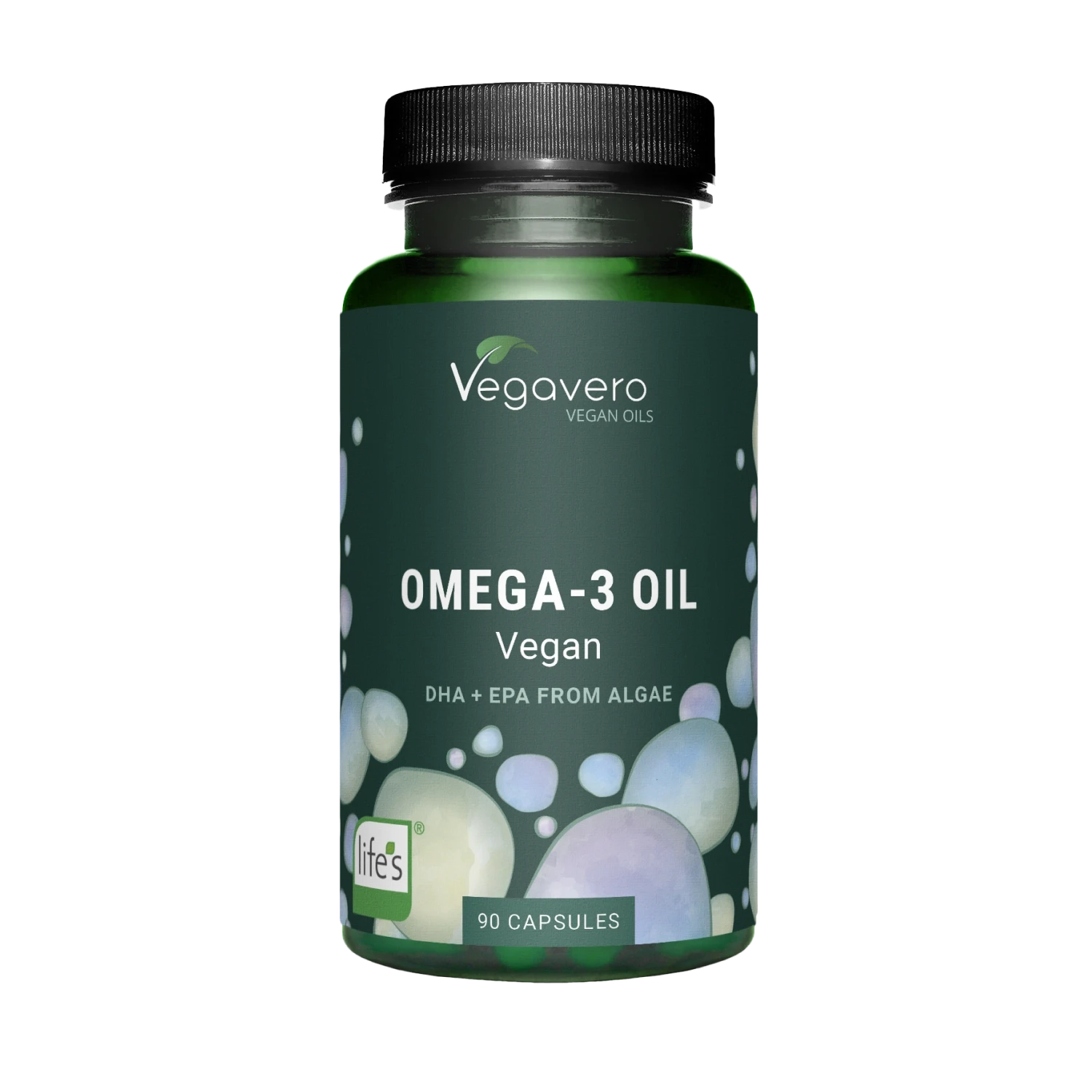
life's OMEGA DHA and EPA-rich oil from the microalgae Schizochytrium sp.

100% Vegan
Responsible Ingredients
Made in Germany
Lab tested

Mono Omega 3

The choice of source is crucial for the quality and purity of Omega-3 oil. While animal sources were the standard for a long time, microalgae such as Schizochytrium sp. have emerged as the direct primary source. In this category, we focus on Omega 3 as a pure single-ingredient supplement – for a targeted supply of the essential fatty acids DHA (docosahexaenoic acid) and EPA (eicosapentaenoic acid).

Plant-based Purity: The Direct Path

We take the direct path: fish do not produce these important fatty acids themselves but accumulate them by consuming microalgae. By extracting the oil directly from microalgae, the use of animal-based sources is eliminated. Since this cultivation takes place in controlled systems, the resulting oil is naturally protected from marine pollutants or heavy metal contamination. This enables a highly pure, plant-based nutrient source.

Omega 3 Combinations

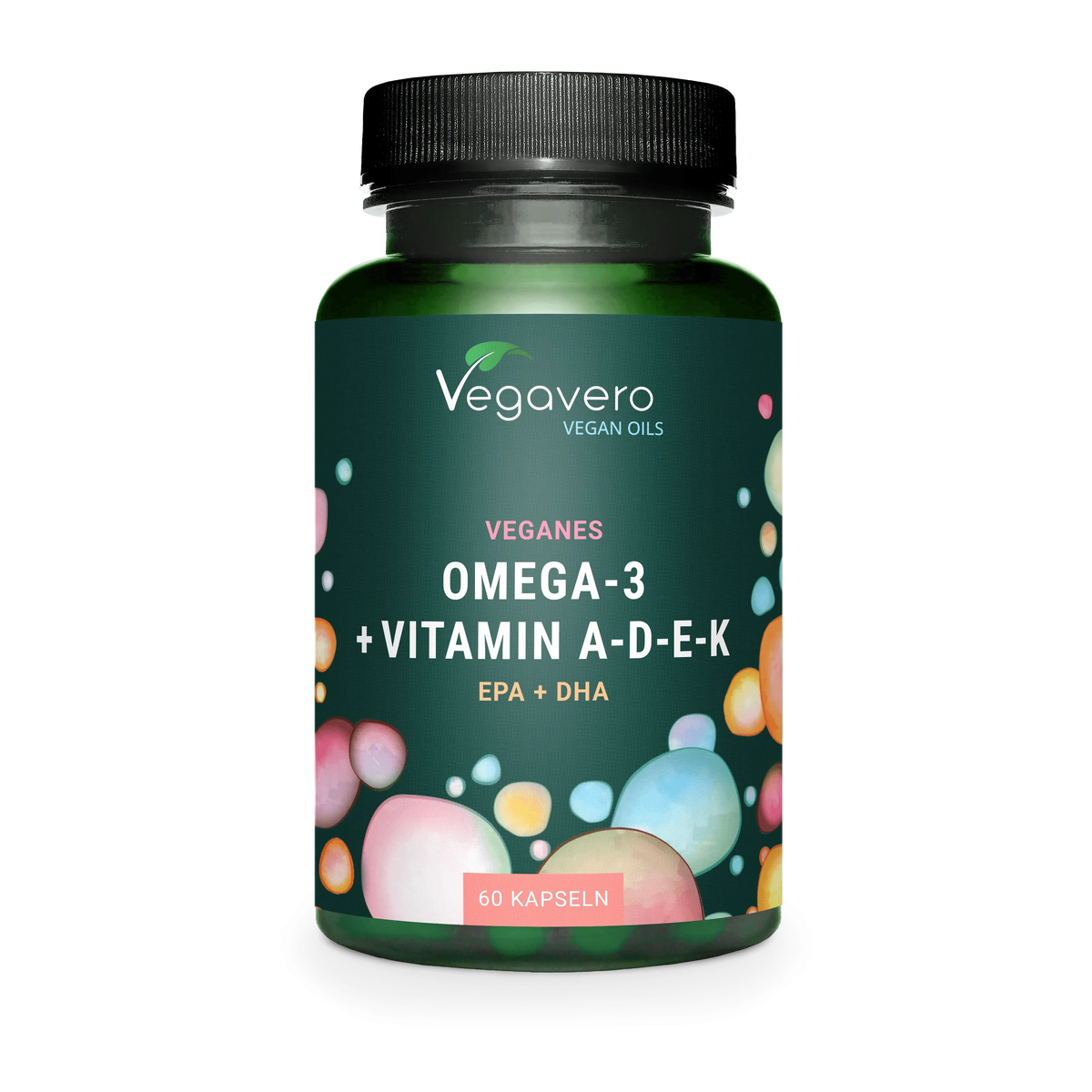
Sometimes the whole is more than the sum of its parts. Our Omega-3 combinations specifically bring together valuable fatty acids with nutrients that complement each other biochemically. Since Omega-3 fatty acids are lipophilic (fat-soluble), they form the ideal basis for the absorption of other essential active ingredients such as vitamins A, D, E, and K.

Targeted Formulas for Specific Needs

These synergistic formulations specifically address different areas of well-being. For example, we combine algae oil with selected vitamins or plant extracts. While DHA contributes to the maintenance of normal brain function and vision, vitamins such as B12 and folic acid support normal psychological function. In addition, vitamins such as A and D contribute to the normal function of the immune system. We consistently avoid additives such as magnesium stearate.

Supplementing Daily Fatty Acid Intake

Modern nutrition is often characterized by a high intake of various fatty acids. Targeted supplementation with Omega-3 (DHA and EPA) is therefore sensible in order to provide the body with these essential building blocks in an appropriate ratio. Our combination products offer a convenient solution to both supplement fatty acid intake and simultaneously ensure the supply of other important micronutrients.

Omega 3 in a Set

Biological processes take time. Since fatty acids are continuously incorporated into the cell membranes, consistency in nutrient supply is crucial. For those who wish to integrate Omega 3 firmly into their daily life, our sets offer a well-thought-out way to supplement the daily diet long-term.

Comprehensive Supply in a Package

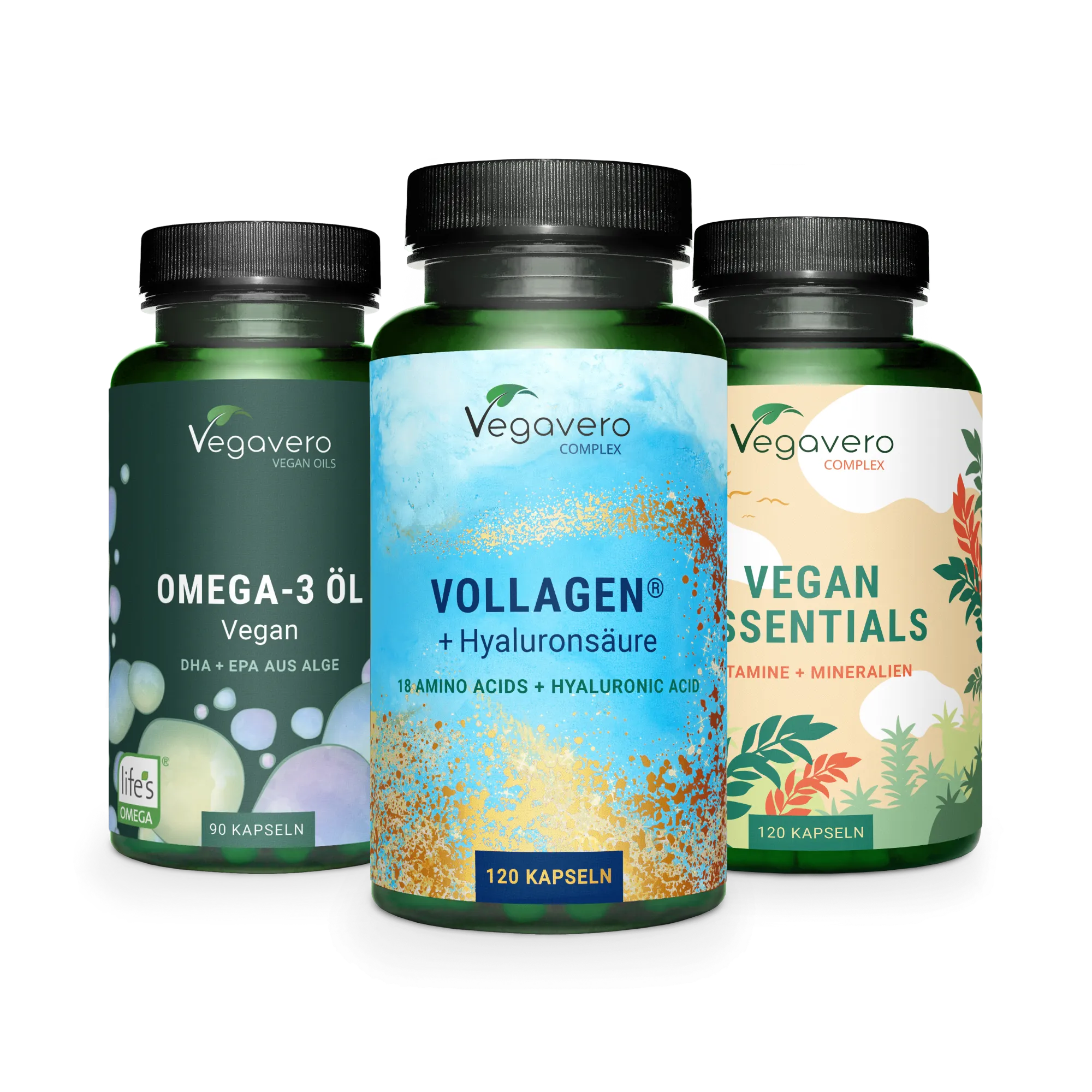
You secure not only a cost advantage compared to individual purchase but also ensure that your supply remains seamless. One example is our Everyday Vegan Set: it combines our Omega-3 oil capsules with the Vegan Essentials Complex and Vollagen®. While the algae oil capsules support heart and brain function as well as vision, the Essentials Complex contributes, among other things, to normal energy metabolism and a normal function of the immune system. The set is supplemented by plant-based amino acid building blocks, which offer a vegan alternative to conventional collagen products.

FAQs on Omega 3

What is Omega 3 or what are Omega-3 fatty acids?

Omega-3 fatty acids are essential, polyunsaturated fats that the body cannot produce itself. They are central components of every cell membrane. The most important forms for the human organism are the long-chain fatty acids EPA (eicosapentaenoic acid) and DHA (docosahexaenoic acid), which are primarily significant for heart, brain, and visual function.

What is Omega 3 good for?

The effect of marine omega-3 fatty acids is extensively scientifically proven.According to the European Health Claims Regulation (HCVO),EPA and DHA contribute to the following body functions:

  • Heart Function: EPA and DHA contribute to the normal function of the heart (starting from 250 mg EPA/DHA daily).
  • Brain & Vision: DHA contributes to the maintenance of normal brain function and to the maintenance of normal vision.
  • Pregnancy: The intake of DHA by the mother contributes to the normal development of the eyes and the brain in the fetus.
What are Omega-3 fatty acids good for?

As confirmed by the European Food Safety Authority (EFSA), EPA and DHA contribute to normal heart function. DHA furthermore contributes to the maintenance of normal brain function and vision.


Can you overdose on Omega 3?

Food supplements should always be taken according to the recommended intake. Extremely high doses over a long period can potentially affect blood clotting. In case of uncertainty or simultaneous intake of medication, we recommend consulting a doctor.

Is Omega 3 from algae oil as good as from fish oil?

Yes,algae oilprovides the exact same fatty acids (DHA and EPA), but it is theoriginal primary source. Since the algae are cultivated in controlled systems on land, the oil is naturally free from marine pollutants. Additionally, this form of extraction is more sustainable as it protects the ocean ecosystem.

When should I take Omega-3 capsules?

Ideally, you should take the capsules with a high-fat meal. Since omega-3 fatty acids are lipophilic (fat-soluble), the body can absorb and utilize them optimally in combination with dietary fats.

How much Omega 3 is recommended per day?

The European Food Safety Authority (EFSA) recommends a daily intake of at least 250 mg EPA and DHA for adults. Depending on individual needs or life stages – such as during pregnancy or breastfeeding – the recommended intake may be higher.

Can I measure my Omega-3 supply through blood?

Yes, the so-called Omega-3 Index provides information about the proportion of fatty acids in the red blood cells. This value reflects the long-term supply over the past few months and can be determined as part of a laboratory examination to precisely identify individual needs.

Learn more in our Green Journal

Know-How – The Nutrients Our Brain Needs

Know-How – The Nutrients Our Brain Needs

On average, approximately 20% of our energy goes to our brain. Considering it only accounts for about 2% of our body weight, that's a considerable amount. There's a reason for this: the brain is one of our most important organs,...

Read more

Omega-3 Fatty Acids: Why they are good for you

Omega-3 Fatty Acids: Why they are good for you

Omega-3 fatty acids belong to the group of essential unsaturated fatty acids. They must be consumed via our diet because our body can’t produce them itself. Read on to find out why they are important and how to adequately meet the daily need.

Read more

The Heart: the Centre of our Health

The Heart: the Centre of our Health

Across Europe, 45% of all people die from cardiovascular diseases. The reasons for this vary, but lifestyle often plays a major role. So, what can you do to protect your heart health? 

Read more