


Key takeaways
- A hormonal imbalance means that hormone production is altered – often without those affected noticing it.
- Common causes are chronic stress and natural life stages such as puberty, the menstrual cycle, pregnancy and menopause.
- Typical complaints range from sleep disturbances, fatigue and mood swings to skin problems, cycle disorders and loss of libido.
- If symptoms persist, a medical professional will investigate the cause – via blood, saliva or ultrasound examinations.
What is a hormonal imbalance?
Hormones are the messengers of our body. They are produced in various hormone glands – for example in the pituitary gland, the thyroid, the adrenal glands and the ovaries – and transported via the blood to their target sites. This finely tuned hormone system is controlled to a large extent by the hypothalamus in the brain, which, as the superordinate control centre, sets the pace for many hormonal processes.
The term “hormonal imbalance” refers to a state in which hormone production is altered and the relationships between the different hormones shift. This can be temporary and harmless, but an underlying condition can also be behind it.
As mentioned in our article on female sex hormones, hormonal imbalances are sometimes completely physiological. They can occur, for example, during puberty, menstruation or menopause and can have considerable effects on women’s health and well-being. Although we may know that an imbalance of our hormones could be present, it is not always easy to understand what the exact cause of the imbalance is.
So what happens when there are too many or too few hormones in our body? Since hormones are crucial for regulating important bodily functions – including metabolism and appetite, the sleep-wake rhythm, reproduction and fertility, growth and development, as well as mood and stress levels – an imbalance can have several consequences. But what exactly are they?
How does a hormonal imbalance develop?
A hormonal imbalance can have many triggers: from natural life stages to external influences. The most common include:
- Natural life stages: Puberty, the menstrual cycle, pregnancy and menopause are accompanied by significant hormonal fluctuations.
- Chronic stress: Persistent stress can disrupt the regulation of the hypothalamus and, via the stress hormones cortisol and adrenaline, influence the entire hormone balance.
- PCOS: In PCOS, elevated male hormones (androgens) lead to cycle problems.
- Ovarian disorders: Functional disorders of the ovaries can cause hormonal imbalances.
- Individual messengers: Changes in prolactin can also promote a hormonal imbalance.
- Chronic illnesses: Certain chronic illnesses can trigger hormonal disorders.
Irregular menstrual cycles are a particularly common sign of hormonal imbalances.
of women of reproductive age are affected by PCOS – the most common hormonal disorder in this group. Up to 70% remain undiagnosed.²
The 8 most important symptoms of a hormonal imbalance
1. Sleep disturbances
The various phases of a woman’s cycle are associated with significant physiological and hormonal changes that often alter normal sleep patterns.
This problem can be linked to insufficient progesterone production; when the levels of this hormone are lower than usual, it can be more difficult to fall into a deep sleep or to fall asleep at all. Low oestrogen levels, especially during menopause, can trigger hot flushes and night sweats, which can likewise disrupt the normal sleep-wake rhythm.
2. Skin problems
If you suffer from severe acne, the problem may be linked to excessive androgen production. Excessively high testosterone levels lead to an increase in sebum (oily skin), which often results in the appearance of spots. In some cases, facial hair can also occur. This imbalance could also be a symptom of polycystic ovary syndrome (PCOS). In contrast to oily skin, dry skin is often associated with menopause.
3. Chronic fatigue & exhaustion
Persistent tiredness, listlessness and a noticeable lack of energy can often be caused by an imbalance of progesterone levels, of cortisol (also known as the “stress hormone”) and of the thyroid hormones. An underactive thyroid in particular slows down bodily functions and affects energy levels, which can extend to a lasting state of exhaustion.

4. Mood swings and low mood
Frequent, marked changes in hormone levels trigger emotional instability, especially in the premenstrual phase (PMS). This instability shows itself in feelings of irritability, anger, sadness and anxiety.
The messenger serotonin, too, which is closely linked to our mood, is connected with hormonal fluctuations. Sex hormones also play a key role in postpartum depression; the occurrence of depressive symptoms that are temporarily linked to the sharp drop in hormone levels that occurs at birth.
5. Weight gain
As much as lifestyle, diet and exercise are key factors for maintaining a healthy weight, hormonal balance also plays an important role. Sudden weight gain can be a clear sign of an imbalance.
Since hormones regulate metabolic functions, high oestrogen levels can influence the secretion of leptin: a hormone that controls the feeling of hunger and satiety. Hypothyroidism (in which the thyroid does not produce enough thyroid hormones), polycystic ovary syndrome (PCOS) and menopause can also lead to weight gain, especially around the belly. Other symptoms that should not be overlooked are a constant feeling of thirst and frequent urination.
6. Headaches and migraines
Migraine is predominantly experienced by women. It is triggered not only by menstruation, pregnancy or menopause, but also by hormonal contraceptives and hormone replacement therapies. Headaches usually occur before or during the menstrual cycle, pregnancy and menopause. Fluctuations in oestrogen levels affect blood flow to the brain.
as often are women affected by migraine as men – fluctuations in sex hormones play a role in this.³
7. Vaginal dryness
A reduction in oestrogen levels causes considerable changes to the vaginal wall and mucous membrane. Symptoms of what is known as “vulvovaginal atrophy” (VVA) include vaginal dryness, burning, itching, vaginal discomfort and spotting.
All of these things affect a woman’s everyday life. They also cause discomfort during sex, as intercourse becomes painful rather than pleasant. This happens mainly during pre-menopause and menopause, but also when taking hormonal contraceptives (such as the pill) or antidepressants.
8. Loss of libido
A hormonal imbalance can also reduce your sexual desire; the main reason for this is the low levels of oestrogen and testosterone. These sex hormones are at their highest in early adulthood and decline gradually with age, particularly during perimenopause and menopause. Therefore, although it affects women of all ages, loss of libido is particularly common in women going through the latter.
Diagnosis: How is a hormonal imbalance determined?
Anyone who suspects a hormonal imbalance should have their hormone status determined by a doctor. Various methods are available for diagnosis:
- Blood tests provide important indications of hormonal disorders; many hormone values can be determined directly in the blood.
- Saliva tests are sometimes used as a supplement, though their significance for sex hormones is limited.
- Imaging procedures such as ultrasound examine the hormone glands and organs such as the ovaries.
This makes it possible to clarify whether – and which – hormonal disorder is actually present.
What can provide support for hormonal imbalances?
Not every hormonal imbalance needs to be treated; often the hormone balance settles back into place on its own. In everyday life, you can support your body on several levels:
- Exercise: Regular exercise helps to reduce stress and to regulate hormone release.
- Reducing stress: Relaxation techniques, deliberate breaks and sufficient sleep relieve the stress system.
-
A balanced diet: as the basis for the supply of important nutrients.

Some micronutrients with authorised statements play a role in hormone and nerve metabolism¹:
- Vitamin B6 contributes to the regulation of hormonal activity and to normal psychological function.
- Magnesium contributes to normal psychological function and to the reduction of tiredness and fatigue.
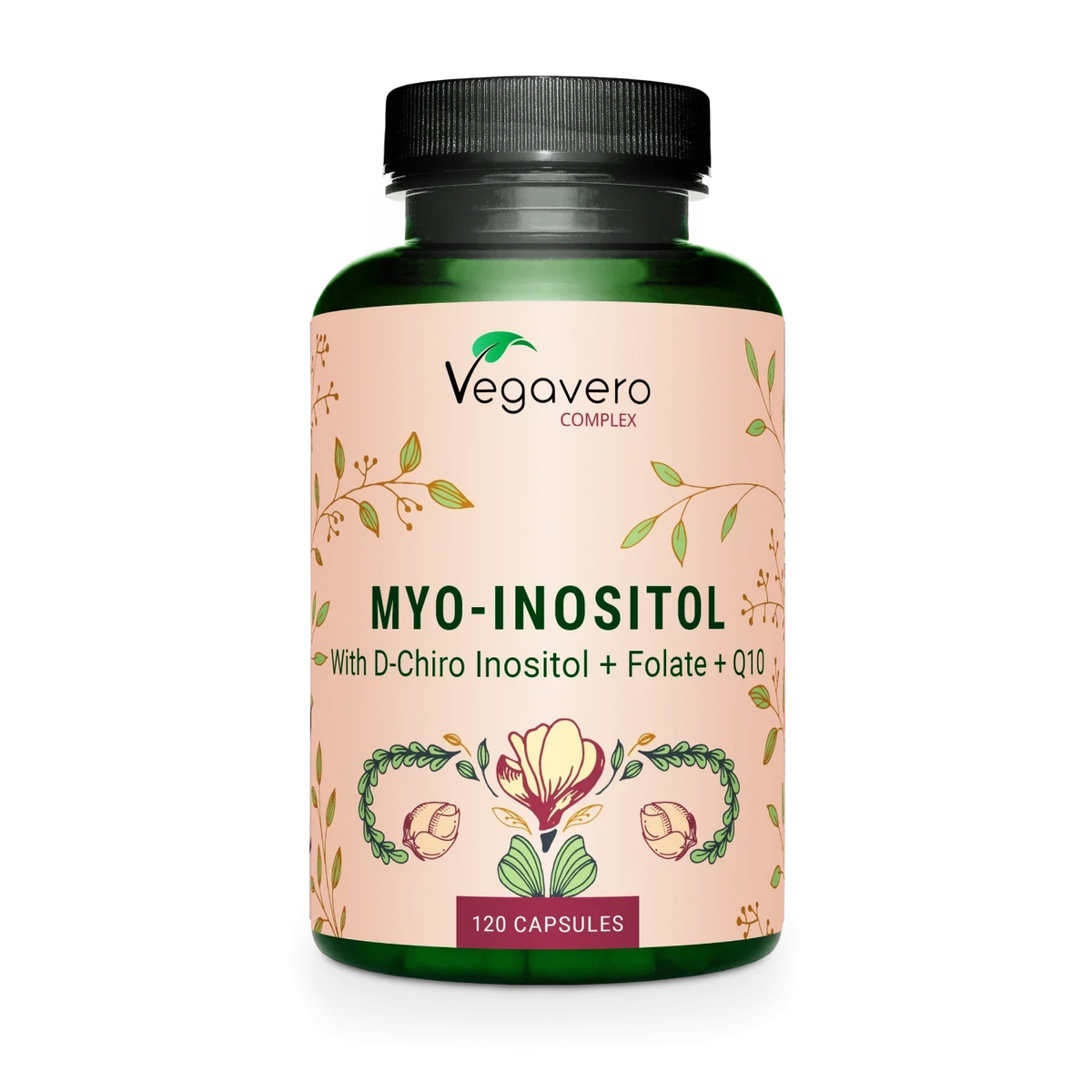
Some people are also interested in other ingredients such as inositol – you can find background information on our ingredient page. You’ll find an overview of our products in the Female Health and Hormonal Balance categories.
Hormonal imbalance: When to see a doctor?
Learning to recognise early signs of a possible hormonal imbalance is crucial for knowing whether the problem needs to be resolved or whether it is not necessary. Many women suffer from it and are not aware that the cause of their complaints can be traced back to a hormonal imbalance.
If you recognise these symptoms and think you have a hormonal imbalance, you should definitely consult your doctor, who can tell you which tests need to be carried out and which possible treatments may follow. Endocrinologists specialise in hormonal disorders. Depending on the findings, drug-based therapy is tailored individually to the patient.
Conclusion
A hormonal imbalance shows itself in a wide range of complaints: from sleep disturbances and skin problems to mood swings and loss of libido. Much of this is part of natural life stages and temporary. What is important is to take the body’s signals seriously: if complaints persist, the hormone status should be clarified by a doctor. A healthy lifestyle with exercise, stress reduction and a balanced diet forms the basis for this.
Frequently asked questions about hormonal imbalance
What is a hormonal imbalance?
A state in which hormone production is altered and the ratio of hormones to one another gets out of balance – often without those affected noticing it.
Is a hormonal imbalance the same as PCOS?
No. A hormonal imbalance is a broader term for an altered balance of hormones – often temporary and not necessarily pathological. PCOS, on the other hand, is a distinct, diagnosable condition that does go hand in hand with a hormonal imbalance but meets clearly defined criteria. Read more in our article on PCOS.
Which symptoms indicate a hormonal imbalance?
Common ones are sleep disturbances, skin problems, chronic fatigue, mood swings, weight gain, headaches/migraines, vaginal dryness and loss of libido.
Can a hormonal imbalance cause hair loss?
Yes. A hormonal imbalance can also affect the hair. Elevated male hormones (androgens), such as those occurring in PCOS, can lead to thinning hair or male-pattern hair loss. Changes in the thyroid hormones are also associated with hair loss. If the hair loss persists, the cause should be clarified by a doctor.
What are common causes of hormonal disorders?
Natural life stages (puberty, the menstrual cycle, pregnancy, menopause), chronic stress, PCOS, ovarian disorders, changes in prolactin as well as certain chronic illnesses.
How long does a hormonal imbalance last?
This is very individual and depends on the cause. Fluctuations around the cycle, pregnancy or menopause are often temporary and settle back into place on their own. If another cause underlies it – such as a thyroid disorder or PCOS – the condition can persist longer and require targeted treatment. If complaints persist, a medical evaluation is advisable.
How is a hormonal imbalance determined?
Through the determination of the hormone status – usually via a blood test, supplemented by saliva tests and imaging procedures such as ultrasound.
What can I do myself about a hormonal imbalance?
Regular exercise, stress reduction, sufficient sleep and a balanced diet support the body. If complaints persist, seek medical advice.
When should I see a doctor?
If symptoms persist for longer, are severe or you are unsure. Endocrinologists specialise in hormonal disorders.
Sources
¹ The stated claims for Vitamin B6 and Magnesium correspond to the authorised health claims in accordance with EU Regulation (EC) No 1924/2006.
² PCOS prevalence: World Health Organization (WHO), fact sheet “Polycystic ovary syndrome”, as of 22/01/2026. https://www.who.int/news-room/fact-sheets/detail/polycystic-ovary-syndrome
³ Migraine ratio: BARMER Institute for Health System Research (bifg), press release of 28/06/2024. https://www.barmer.de/presse/presseinformationen/pressearchiv/barmer-analyse-zur-migraene-frauen-ueberproportional-betroffen-1272214





Female Hormones & Their Functions
Post-Pill Syndrome: What Happens After Coming Off the Pill?