

Key takeaways
- PCOS (polycystic ovary syndrome) is a hormonal disorder with an excess of male hormones (androgens) and affects 5–10% of women of reproductive age.
- Typical signs are cycle disorders, an unfulfilled desire to have children, increased hair growth (hirsutism), hair loss on the head, acne and weight gain.
- Diagnosis is usually made via the Rotterdam criteria: two of three features must be present.
- PCOS is not curable, but the complaints can be well managed through lifestyle and medical therapy.
PCOS: What is it?
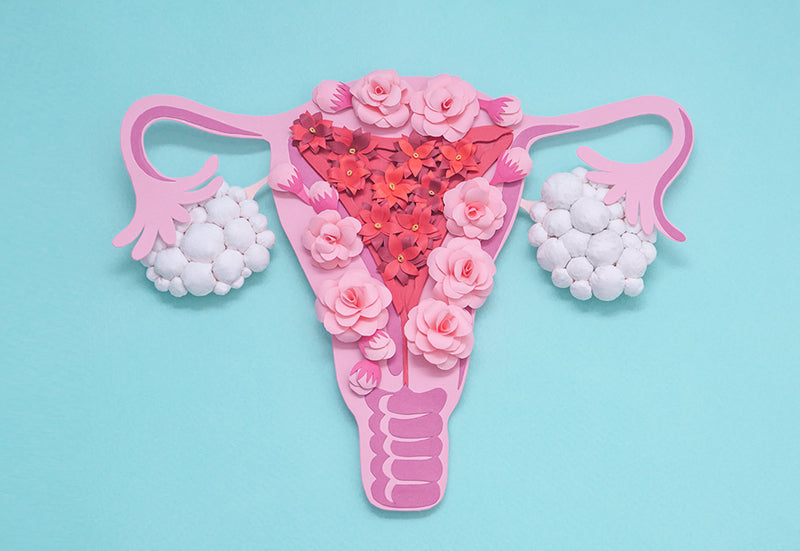
PCOS (short for polycystic ovary syndrome) is an overproduction of androgens, i.e. male sex hormones such as testosterone. Due to the reduced amount of follicle-stimulating hormone, the maturation of the follicles is disrupted. This can sometimes mean an excessive number of small follicles on the ovaries, from which the name polycystic ovary syndrome originates. By definition, the clinical picture is therefore based on an interplay of disrupted egg-cell maturation, an excess of male hormones and cycle disorders.
This makes PCOS the most common hormonal disorder in women of reproductive age. It often begins during puberty, but the first clear symptoms frequently appear only between the ages of 20 and 30 – before that, it goes unnoticed and therefore untreated in many affected women.
of women of reproductive age are affected by PCOS – it is the most common hormonal disorder in this group.¹
Symptoms: How do you recognise PCOS?
When and how strongly the symptoms occur depends greatly on the individual – not every affected woman has all the signs. Frequently observed in women with PCOS are:
- Cycle disorders: irregular, infrequent (oligomenorrhoea) or absent menstrual periods (amenorrhoea), summarised as oligo-amenorrhoea – often with severe pain during the bleeding.
- Signs of androgenisation: as an effect of the elevated androgen level, there is increased hair growth of the male-pattern type (hirsutism), hair loss on the head (androgenetic alopecia) as well as acne and oily skin.
- Other signs: uncontrolled weight gain, persistent fatigue, mood swings and loss of libido.

Mental illnesses such as depression also frequently accompany PCOS. One cause can be hormonal fluctuations, but the physical changes or a diagnosed infertility can also place a burden on patients. Holistic treatment should therefore also include psychological support.
Many of these complaints overlap with other causes. Read more in our article on hormonal imbalance and on female sex hormones.
Causes: How does PCOS develop?
The exact cause of PCOS has not yet been conclusively clarified. What is known is a close interplay of several factors. It is striking that between 50% and 70% of women diagnosed with PCOS are overweight or obese. This is often linked to increased insulin resistance – meaning that the body needs more insulin to metabolise blood sugar.
An elevated insulin level in turn stimulates androgen production and thus leads to a further increase in male sex hormones in the blood. In addition, the ratio of the hormones LH and FSH from the pituitary gland plays a role: a relative excess of LH can further stimulate androgen production in the ovaries and disrupt normal egg-cell maturation. A genetic predisposition is also considered a factor.
Diagnosis: How is PCOS determined?
When diagnosing PCOS, other conditions with similar, non-specific symptoms must first be ruled out – such as Cushing’s syndrome or thyroid disorders. Only after this exclusion does the actual diagnosis follow.
The diagnosis of PCOS is frequently made using the Rotterdam criteria. For PCOS to be present, at least two of the following three criteria must be met:
- Oligo-/amenorrhoea – i.e. cycle disorders with infrequent or absent bleeding,
- Hyperandrogenaemia – an excess of male hormones measurable in the blood, or clinical signs of androgenisation (e.g. hirsutism, acne),
- polycystic ovaries – numerous small follicles, visible on ultrasound.
Additional examinations provide further indications: an elevated level of the anti-Müllerian hormone (AMH) is nowadays used as an additional diagnostic criterion, and a HOMA index tests insulin resistance. Because the clinical picture is varied, appropriate specialists (e.g. gynaecologists or endocrinologists) should be consulted for the diagnosis.
Treatment of PCOS
PCOS is currently not curable. However, the symptoms can be relieved, and treatment is guided by the predominant complaints and by whether there is a desire to have children.
- Lifestyle as the basis: exercise and a balanced diet are central components. Even a weight reduction of around 5% can improve fertility and stabilise the cycle.
- Drug-based therapy: where there is a desire to have children, letrozole is today the treatment of choice for triggering ovulation. Metformin can lower insulin requirements and support cycle regulation. In pronounced cases, laparoscopic “ovarian drilling” can normalise the monthly cycle.
- Without a desire to have children: oral contraceptives (the “pill”) are used to balance hormonal imbalances, stabilise the cycle and, via the progestogen they contain, lower the male sex hormones in the blood.
Every drug-based therapy is tailored individually to the patient and belongs in specialist medical hands.
live birth rate in PCOS patients wishing to have children under letrozole compared with clomiphene – letrozole is therefore considered the first-line treatment.²
Some people are also interested in other ingredients such as inositol. You’ll find an overview of our products in the Women’s Health and Hormonal Balance categories.
PCOS and the desire to have children
PCOS is one of the most common endocrine disorders in women wishing to have children. Irregular menstrual cycles and an often absent ovulation can lead to impaired fertility, up to and including infertility. To increase the chance of pregnancy, the maturation of the follicles is specifically stimulated with medication.
High-risk pregnancies and miscarriages occur somewhat more frequently in women with PCOS, and the risk of gestational diabetes is also increased. Regular gynaecological check-ups are therefore important.
PCOS: Possible effects on health
PCOS affects more than just the cycle. The insulin resistance that frequently underlies it increases the long-term risk of cardiovascular disease and of type 2 diabetes mellitus. Some of those affected develop type 2 diabetes over time. It is therefore advisable to keep an eye on your metabolism and to have your health checked regularly by a doctor – especially because a hormonal imbalance such as in PCOS can also become visible after stopping the pill.
Conclusion
PCOS is a complex, highly individual clinical picture – and far more than “just” cycle disorders. Although it is not curable, a great deal can be achieved with the right diagnosis and a treatment tailored to the complaints. A healthy lifestyle with exercise and a balanced diet forms the basis for this. What is important is to take early signs seriously and to have them clarified by a specialist.
Frequently asked questions about PCOS
What is PCOS?
Polycystic ovary syndrome (PCOS) is the most common hormonal disorder in women of reproductive age. It is characterised by an excess of male hormones, cycle disorders and frequently numerous small follicles on the ovaries.
What symptoms does PCOS have?
Common ones are cycle disorders (oligo-/amenorrhoea), increased hair growth of the male-pattern type (hirsutism), hair loss on the head, acne, weight gain and an unfulfilled desire to have children.
How is PCOS diagnosed?
Usually via the Rotterdam criteria: at least two of three features (cycle disorder, hyperandrogenaemia, polycystic ovaries) must be present. In addition, the AMH level and insulin resistance (HOMA index) are determined, after other conditions such as Cushing’s syndrome have been ruled out.
Is PCOS curable?
No. PCOS is not curable, but the complaints can often be well managed through lifestyle and medical therapy.
Can you get pregnant with PCOS?
Yes. Although PCOS can make fertility more difficult, pregnancy is possible in many cases with targeted medical treatment – for example to trigger ovulation.
What role does being overweight play in PCOS?
Being overweight and insulin resistance can intensify the symptoms. Conversely, even a weight reduction of about 5% can improve the cycle and fertility.
Sources
¹ Prevalence 5–10%: figure commonly cited in German-language clinical sources (incl. University Hospital Bonn; public health portals). Note: the WHO states 10–13%. https://www.who.int/news-room/fact-sheets/detail/polycystic-ovary-syndrome
² Live birth rate under letrozole vs. clomiphene: Legro R. S. et al., “Letrozole versus Clomiphene for Infertility in the Polycystic Ovary Syndrome,” New England Journal of Medicine (2014); 371(2):119–129. DOI: 10.1056/NEJMoa1313517 (PMID 25006718).


Omega-3 Fatty Acids: Why they are good for you
Breastfeeding Good for Mother and Child