


Key takeaways
- Inositol is generally well tolerated. Side effects mainly affect the gastrointestinal area and have been described in particular at higher daily amounts.
- You should refrain from taking it if there is a known allergy or intolerance to one of the ingredients, as well as after a marked hypersensitivity reaction.
- In pregnancy and breastfeeding, in minors, with chronic illnesses or with regular use of medication, prior medical or pharmaceutical consultation is advisable.
- A food supplement is not a substitute for a medical diagnosis or treatment.
How safe is taking inositol?
Inositol is a naturally occurring, vitamin-like compound in the body (a so-called vitaminoid). In the past it was wrongly assigned to the B vitamins and referred to as vitamin B8; today we know that the body can produce it in part itself from carbohydrates. In addition, we take in inositol daily through foods such as fruit, beans, grains and nuts.
In the body, inositol is a building block of the cell membranes (which consist of fat-like substances). It is also involved, as a signalling substance, in signal transmission between cells – including nerve cells. Inositol occurs in various forms, known as isomers: most commonly as myo-inositol, and also as D-chiro-inositol. Inositol fulfils these functions completely naturally – accordingly, taking it is generally well tolerated and classified as low-risk in safety studies.
The decisive factor is the amount: only very high daily doses can trigger temporary complaints. A safety review concluded that even at higher doses no serious effects were observed.¹
In a safety review, mainly mild gastrointestinal complaints such as nausea, bloating and diarrhoea were described at a daily amount of 12 g of myo-inositol. No general tolerability limit can be derived from this, however, as people can react with differing sensitivity.¹
Possible side effects of inositol
When side effects occur, they are usually mild, dose-dependent and temporary. Reported are above all gastrointestinal complaints:
- nausea
- bloating and abdominal pain
- soft stools through to diarrhoea
At very high doses, headaches, dizziness, sleep problems or fatigue have occasionally been described. As a rule, these complaints subside once the amount is reduced. Anyone who reacts sensitively is best advised to start low and observe their own tolerance.
When should you not take inositol?
A genuinely clear reason not to take inositol exists above all in these cases:
- Known allergy or intolerance to an ingredient of the respective product.
- An explicit warning against use on the specific product.
- After a marked intolerance or hypersensitivity reaction, the product should not be taken again.
In all other situations, it is usually not a matter of a general prohibition, but of an individual assessment – see the next section.
When is medical consultation advisable?
For the following groups, inositol is not automatically unsuitable. It is advisable, however, to coordinate use beforehand with a doctor or a qualified professional, because the choice, composition and amount should be assessed individually:
- Pregnancy: Inositol is not to be classified as fundamentally unsuitable. In a randomised study published in 2025 involving pregnant women with PCOS, however, the daily intake of a total of 4 g of myo-inositol did not reduce the combined occurrence of gestational diabetes, pre-eclampsia or preterm birth compared with placebo.³ Neither a general recommendation for use nor a statement for all pregnant women can be derived from this study result. Use should therefore be coordinated with a doctor beforehand.
-
Breastfeeding: The same applies here – not ruled out across the board, but clarify with a doctor beforehand.

- Children and adolescents: not without medical advice.
- Diabetes or the use of blood-sugar-lowering medication: see the section on interactions.
- Ongoing psychiatric treatment: Anyone undergoing psychiatric or psychotherapeutic treatment should coordinate supplementary use with the treating doctor beforehand.
- Serious or chronic illnesses: With chronic illnesses as well as impaired organ function, supplementary use should be coordinated as a precaution with the treating medical professionals.
- Long-term use of medication in general.
In the case of a diagnosed illness, the following also applies: inositol should generally not be regarded as a substitute for a medically coordinated treatment.
Why is individual clarification important for women with PCOS?
Polycystic ovary syndrome, or PCOS for short, is a syndrome with very different manifestations. Women with PCOS may have, among other things, insulin resistance, elevated androgen levels, being overweight, cycle disorders as well as reduced fertility or infertility. If a metabolic syndrome or a precursor of type 2 diabetes is also present, the use of a food supplement should be coordinated especially carefully with the medical treatment team.
These diagnoses are not, however, evidence that inositol improves the action of insulin, brings about a reduction in blood sugar or blood lipid levels, or regulates the hormone balance. A general benefit cannot be derived from them. The international PCOS guideline does describe possible changes in individual metabolic measurements, but at the same time emphasises the limited clinical benefits. Due to a lack of high-quality evidence, it recommends neither a particular form nor a particular dosage or combination of myo- and D-chiro-inositol.²
Taking myo-inositol: which interactions are known?
Only limited clinical data are available on interactions of myo-inositol with medicines. For this reason, it should not be claimed across the board that there are known interactions with antidepressants. Anyone who regularly takes medication – especially as part of diabetes treatment or psychiatric treatment – should have the specific food supplement checked beforehand by a doctor or pharmacist. Prescribed medicines must not be changed or discontinued independently.
What should be considered with different products?
Inositol products can contain different forms and additional ingredients. Recommendations and safety data for myo-inositol therefore cannot automatically be transferred to D-chiro-inositol or combination products. The decisive factors are the composition and the recommended intake of the specific product. The international PCOS guideline of 2023 also states that, for lack of high-quality evidence, no particular inositol types, dosages or combinations can currently be recommended in general.²
If you take several food supplements at the same time, check the total amount of all ingredients. This concerns not only inositol itself, but for example also folate, if you combine an inositol complex in parallel with a separate folic acid product.
What to watch out for when taking inositol
A few simple points help to make taking it safe:
- Quality: pay attention to a pure product that is tested for contaminants and manages without superfluous additives.
- Not a substitute for medical therapy: inositol is a food supplement and should not replace established treatments.
- Ask if unsure: anyone who has underlying illnesses or takes medication is best advised to clarify use with a doctor.

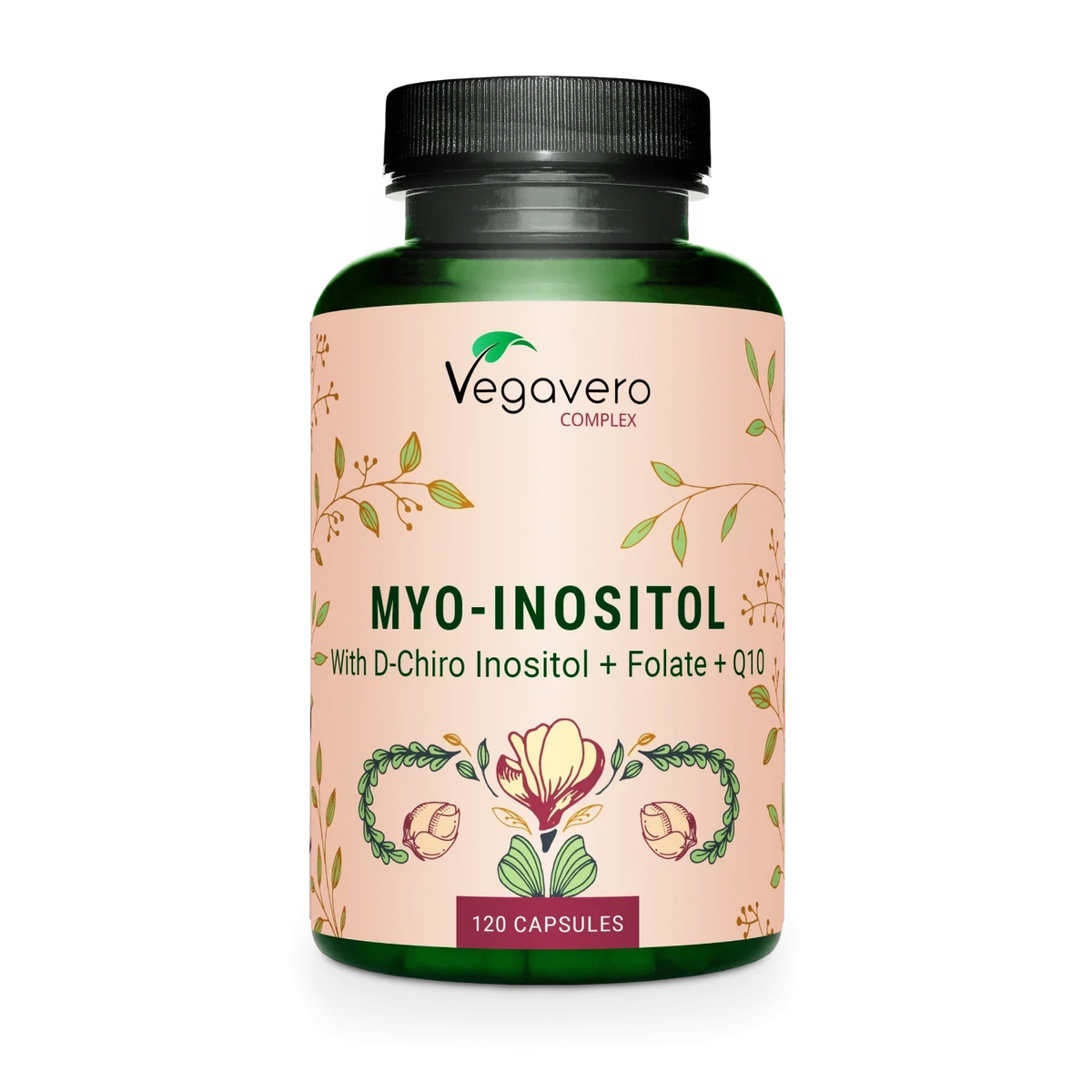
You can find details on use, forms (myo-inositol and D-chiro-inositol) and on the ingredient itself on our inositol page. Further articles on women’s health and hormones: PCOS, hormonal imbalance, female sex hormones and post-pill syndrome.
When should you stop taking inositol?
Pause use and have the complaints medically clarified if you notice the following:
- persistent or severe gastrointestinal complaints
- unusually strong dizziness or circulatory problems
- signs of an allergic reaction
- conspicuous changes in blood sugar in the case of diabetes
- marked psychological changes during psychiatric treatment
- complaints that do not disappear even after a break from taking it
Important: do not self-diagnose. When in doubt, pause use and have the cause medically clarified.
Conclusion
Inositol should not be taken if there is a known allergy or intolerance to an ingredient, if the specific product contains an explicit warning against use, or if a marked hypersensitivity reaction has already occurred. Pregnancy, breastfeeding, being a minor, chronic illnesses and regular use of medication, by contrast, are not automatically absolute contraindications. In these situations, however, use should be coordinated medically beforehand. A generally applicable dosage or guaranteed effect cannot be derived from the current data.
Frequently asked questions on the topic of when you should not take inositol
Does inositol have side effects?
Inositol is well tolerated; side effects are rare. When they occur, they are usually mild and dose-dependent – above all at very high doses.
Can inositol cause diarrhoea or abdominal pain?
At very high daily amounts, gastrointestinal complaints such as bloating, abdominal pain or diarrhoea can occur. They usually subside once the amount is reduced.
Can inositol trigger headaches or nausea?
At high doses, nausea as well as headaches, dizziness or fatigue have occasionally been described. At usual amounts this is unlikely.
Can you overdose on inositol?
There is no generally established safe maximum amount for long-term supplementary use. In a safety review, mainly mild gastrointestinal complaints were described at 12 g of myo-inositol per day. However, no general limit can be derived from this up to which side effects are ruled out. The stated daily intake amount of the specific product should not be exceeded.
Does inositol affect blood sugar levels?
Inositol is being studied in connection with sugar and insulin metabolism. In combination with blood-sugar-lowering medication, changes in blood sugar values have been described – which is why medical coordination is important here.
Are there interactions with medication?
Only limited clinical data are available on interactions of myo-inositol with medicines. Anyone who regularly takes medication should therefore have the specific product checked beforehand by a doctor or at the pharmacy.
Can you take inositol with diabetes?
Only in consultation with your doctor. Because inositol is brought into connection with sugar metabolism in studies, blood sugar should be monitored in combination with diabetes medication. The medication dose must not be changed independently.
Who should not take inositol?
You should refrain from taking it if there is a known allergy or intolerance to an ingredient, if the product explicitly advises against use, or if a marked hypersensitivity reaction has already occurred. In special life situations, with chronic illnesses or with regular use of medication, medical advice beforehand is advisable.
Can you take inositol during pregnancy and breastfeeding?
Independent use should be discussed with a doctor beforehand in pregnancy and breastfeeding. In a randomised study involving pregnant women with PCOS, an intake of a total of 4 g of myo-inositol daily did not reduce the combined occurrence of gestational diabetes, pre-eclampsia or preterm birth.³ The result applies to the specifically studied group of people and does not permit any general statement for all pregnant women or other purposes of use. For breastfeeding, the data are likewise limited.
Is inositol suitable for adolescents?
For children and adolescents, independent use is not recommended – medical advice should be obtained beforehand here.
Can inositol be taken together with the pill?
Specific interactions with the contraceptive pill are not known. If unsure, it is best to clarify the combination with a doctor.
Can you take inositol after stopping the pill?
Whether taking it after stopping the pill makes sense depends on the individual complaints and their causes. Inositol should not be used independently to treat hormonal complaints. You can find further information on possible changes after stopping in our article on post-pill syndrome.
Sources
¹ Carlomagno, G. & Unfer, V.: “Inositol Safety: Clinical Evidences”, European Review for Medical and Pharmacological Sciences, 2011; 15(8):931–936. (PMID 21845803)
² Teede, H. J. et al.: Recommendations From the 2023 International Evidence-based Guideline for the Assessment and Management of Polycystic Ovary Syndrome. Journal of Clinical Endocrinology & Metabolism. 2023;108(10):2447–2469. DOI: 10.1210/clinem/dgad463.
³ van der Wel, A. W. T. et al.: “Myo-inositol Supplementation to Prevent Pregnancy Complications in Polycystic Ovary Syndrome: A Randomized Clinical Trial”. JAMA. 2025; 334(13):1151–1159. DOI: 10.1001/jama.2025.13668.






Amino Acids – Fit and Feeling Good!
What should not be taken together with magnesium?