

The Green Journal
Welcome to the space where we share knowledge, inspiration, and stories from the world of natural health. Discover articles on wellness, sustainability, and the science behind our supplements, written to guide and empower you on your journey.


When should you not take inositol?
Inositol (also called inosit) occurs naturally in the body and is generally well tolerated as a food supplement. However, the fact that a substance has a natural function does not automatically mean that every supplementary amount is equally suitable for every person. In safety studies, mild, temporary complaints have been described, above all at higher daily amounts.¹

Amino Acids – Fit and Feeling Good!
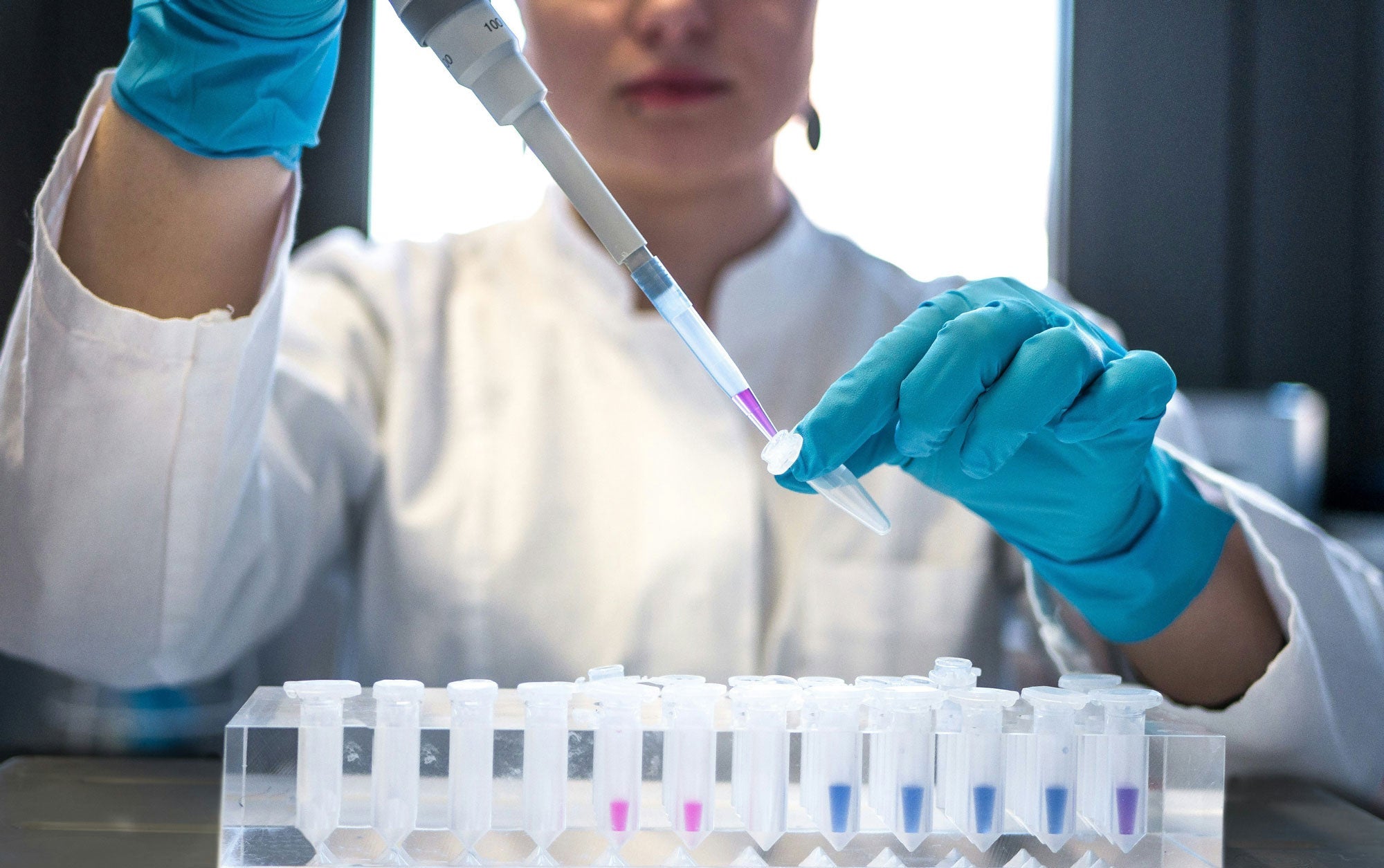
Our Lab Analyses – Why, What and How?

Know-How – The Nutrients Our Brain Needs

Beautiful like Venus – Nutrients that Nurture Us from Within

Magnesium and Potassium – Why Do We Need Them?

Quercetin - A Versatile Plant Pigment
Quercetin belongs to the group of polyphenol flavonoids - these are secondary plant substances that are responsible for different color formations in plants. People who are active in sports and those who are plagued by allergies can especially benefit from quercetin.
Astaxanthin – the Red Antioxidant from the Sea
Astaxanthin is a carotenoid, more specifically a xanthophyll, and therefore belongs to the group of fat-soluble pigments. It is formed in the sea algae Haematococcus pluvialis, among others. Animals, such as salmon or flamingos, get their colour thanks to consuming this alga. As for its effect on humans, in the right dose it thankfully does not have a colour impact, but it does have a number of benefits.
Breastfeeding Good for Mother and Child
Breast milk provides the best nutrition for new-borns; it is easily digestible, rich in nutrients, and therefore perfect for babies needs. Alongside these nutritional aspects, there are several other benefits, which can also be beneficial for the mother. But what makes breast milk so unique and important for children?
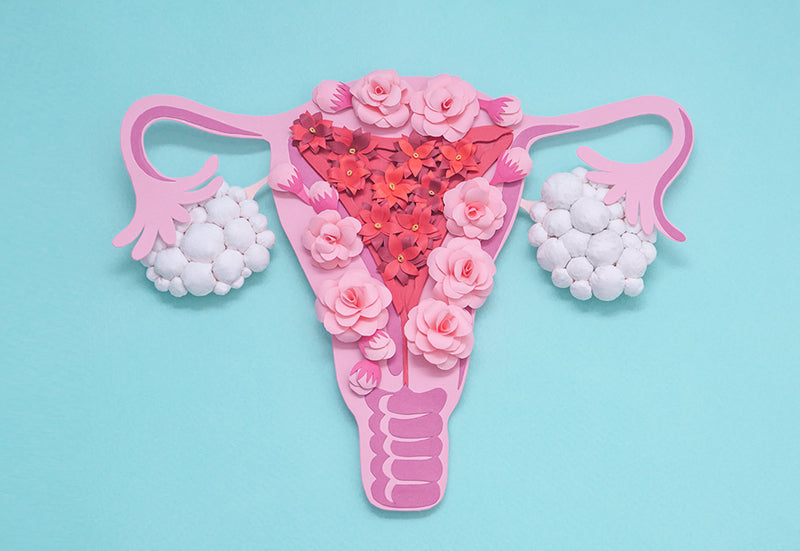
PCOS – More than just Mood Swings
PCOS is the most common hormonal disorder in women of reproductive age and yet often goes unrecognised for a long time. In this article, you’ll learn what polycystic ovary syndrome actually is, which symptoms it can be recognised by, how the diagnosis is made and which treatment options exist.
Omega-3 Fatty Acids: Why they are good for you
Omega-3 fatty acids belong to the group of essential unsaturated fatty acids. They must be consumed via our diet because our body can’t produce them itself. Read on to find out why they are important and how to adequately meet the daily need.
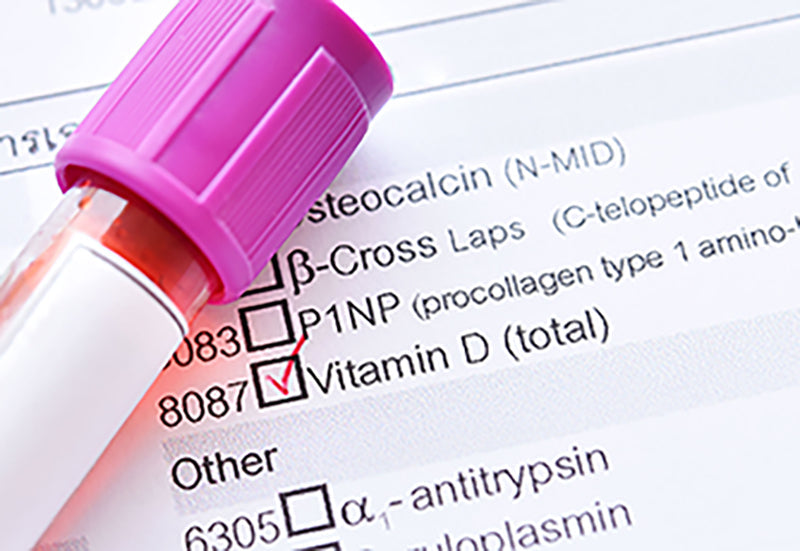
Deficiency or no deficiency? Determine vitamin levels with home nutrient tests